

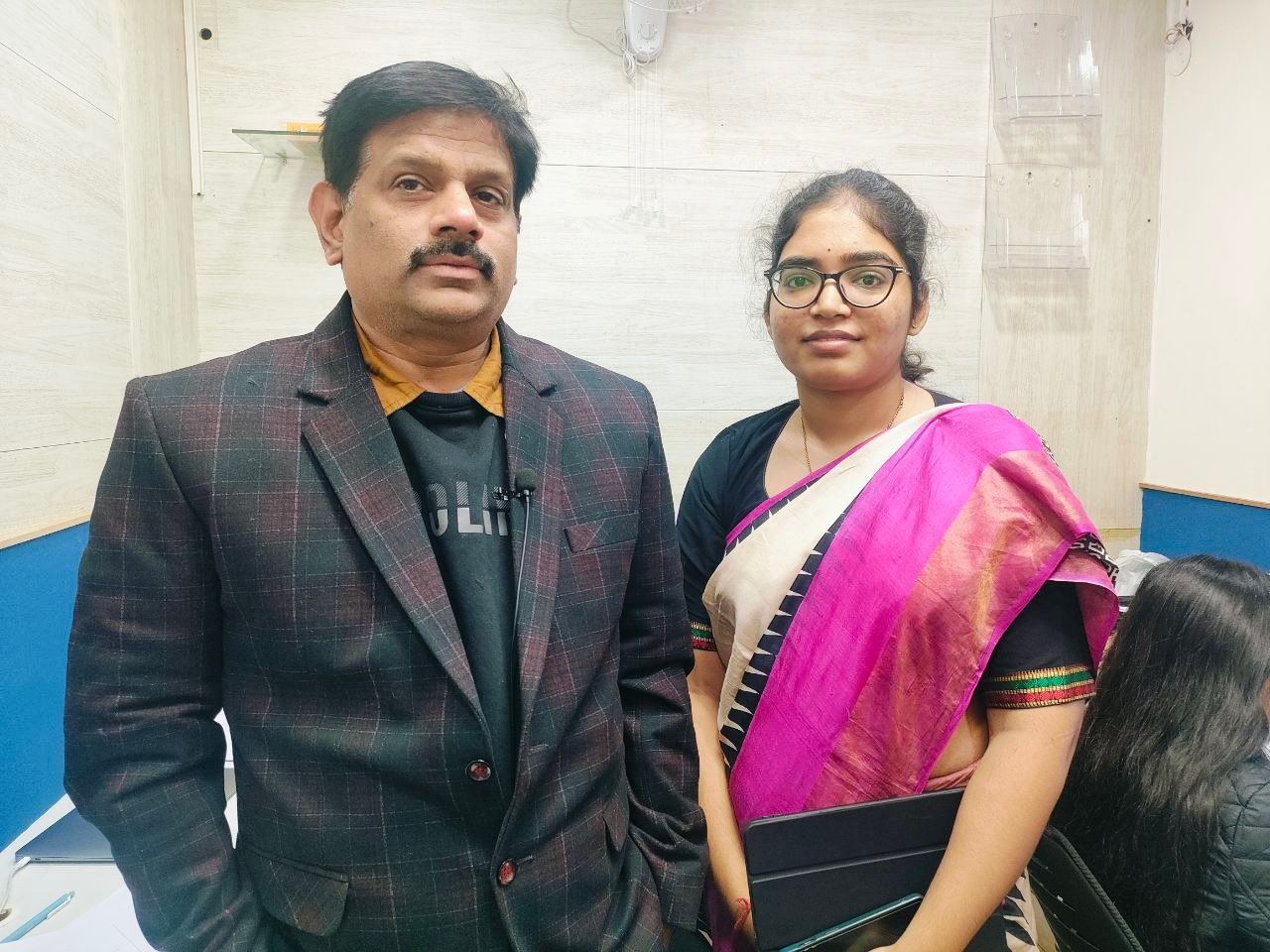
Krishna Pradeep 21st Century IAS Academy proudly announces the remarkable success of four of its students in the prestigious civil services examination. Under the expert guidance of the academy's Chief Mentor, Dr. Ch. Bhavani Shankar, these diligent individuals have excelled and secured commendable ranks.
The successful candidates are:
1. Shahi Darsini (All India Rank 112)
2. Dhiraj Reddy (All India Rank 173)
3. Samixa Jha (All India Rank 362)
4. Naga Santosh Anusha (All India Rank 818)
These students, who received personalized mentorship for their mains and interview preparation, have demonstrated exceptional dedication and perseverance.
With a legacy of nurturing talent for over two decades, Krishna Pradeep 21st Century IAS Academy, led by Mr. Krishna Pradeep, has consistently produced successful candidates for various prestigious government services, including IAS, IPS, and other all-India services.
Mr. Krishna Pradeep and Dr. Ch. Bhavani Shankar personally mentored the students for the rigorous interview process, ensuring their holistic preparation.
The academy, deeply rooted in Telugu culture, takes immense pride in the outstanding performance of its students at the national level.
Mr. Krishna Pradeep extends his heartfelt congratulations to all the achievers, and especially felicitated the first ranker, Aditya Srivastava, for his exemplary achievement.
 Industrial AI Startup CountAI raises Rs 10 crore in Seed Funding led by Equirus InnovateX Fund
 Gold, Consumer Durable and Secured Business Loans Drive YoY Growth in India’s ₹185.2 Lakh Crore Retail Credit Market, While Property Loans also Bolster QoQ Growth: CRIF
 KONAMI United Sporting Icons and Gaming Creators Across India to Celebrate Diwali with eFootball™
 Vietjet wins two global awards for investor relations and corporate finance
 IndiGo Marks Two Years of IndiGoStretch With Over 4,000 Daily Seats Across its Growing Domestic and International Network in Winter Schedule 2026
 On World Diabetes Day, Pediteq urges India to act early on diabetic foot care and prevent avoidable amputations