

Some Suffer to the Extent of Avoiding Public Transport.
Doctors at the Asian Institute of Nephrology and Urology (AINU) have introduced a groundbreaking, advanced solution for urinary problems. A 38-year-old man from West Godavari, Andhra Pradesh, was experiencing severe difficulty in urination—frequent urges, incomplete emptying, and persistent bladder fullness. This condition is known as Primary Bladder Neck Obstruction (PBNO), which affects around 33-45% of men under 55 with difficulty in passing urine. It is commonly seen in individuals with Lower Urinary Tract Symptoms (LUTS).
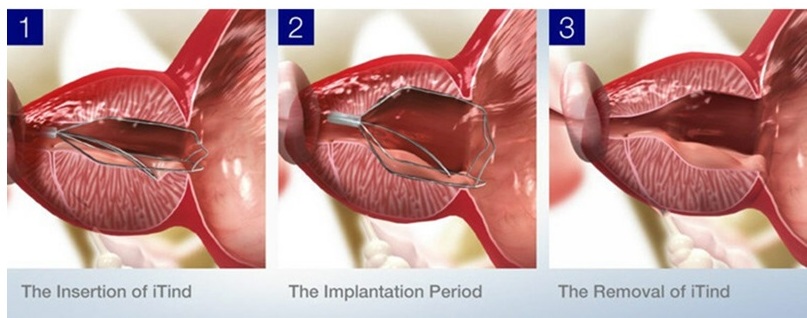
To address this issue, AINU doctors opted for the iTIND device(Temporarily Implanted Nitinol Device), a revolutionary implant that is available only in select centers across the country. So far, AINU has successfully helped eight patients with this procedure.
Dr. Madduri Vijay Kumar Sarma, Consultant Urologist at AINU, explained, “This device is placed at the bladder neck within the urinary tract and is removed after seven days. During this period, three small channels are formed at the bladder neck, ensuring smooth urine flow. Even after removal, these channels remain open, allowing normal urination without discomfort. This is a minimally invasive procedure that does not require tissue removal. Unlike traditional urological surgeries that may impact sexual function, iTIND has no such side effects.”
PBNO can cause severe discomfort. While an average male urinates four to five times a day, those suffering from PBNO may feel the urge to urinate every hour but struggle to do so effectively. This condition can lead to social embarrassment, preventing individuals from attending meetings or using public transport. Many avoid seeking medical help due to shame, worsening their condition and increasing the risk of kidney damage due to prolonged urine retention.
In this patient, the problem was diagnosed promptly, and the iTIND device was implanted, leading to complete symptom resolution. Since this procedure is performed on an outpatient basis, patients can go home the same day. Only local anesthesia is required, making it safe even for individuals with heart or respiratory conditions. The procedure leaves no scars or stitches and does not interfere with sexual function.
Dr. Vijay Kumar Sarma added, “The iTIND device effectively opens up the prostate and bladder neck, creating a natural urinary channel within 5 to 7 days. Unlike conventional treatments that involve partial removal of the prostate—often resulting in loss of ejaculation—this method is entirely non-invasive, ensuring normal sexual function is preserved.”
 Michelin India expands its Delhi retail network with two new Michelin Tyres & Services stores
  From Durga Puja to Global Partnerships: ICC Brings Diplomats from 12 Countries to Kolkata
  University of Melbourne and IISER Tirupati expand partnership to deliver world-class research education
  Vietjet launches flights to Kazakhstan and Czech Republic, strengthening Asia–Europe connectivity
  VFS Global partners with Donatekart Foundation to support2,230 flood-affected individuals in Sivasagar, Assam
  GMMCO Strengthens Regional Presence in Tamil Nadu’s Salem with New Customer-Focused Office Facility