

Vinay Kumar Swamy, Country Head, Pearson India
I believe leadership today is not about having all the answers. It is about staying curious, adaptable, and empathetic. In a world shaped by constant disruption, rapid automation, and artificial intelligence, the most important quality a leader can have is the willingness to remain a lifelong learner.
This belief shapes how I view education and work in India today. Learning can no longer be confined to classrooms or early stages of life. It must evolve continuously, keeping pace with changing technologies, job roles, and social expectations. The ability to unlearn outdated ideas and relearn new skills is becoming just as important as acquiring knowledge in the first place.
At Pearson India, this philosophy guides how we engage with learners and institutions across the country. We work with thousands of higher education institutions and reach millions of learners, focusing on learning outcomes rather than static content. The aim is to help individuals build relevant skills, measure their progress meaningfully, and stay prepared for a dynamic workforce.
Digital-first learning plays a key role in this transformation. Technology allows learning to be more personalised, flexible, and accessible, especially in a country as diverse as India. From language proficiency to employability and workforce readiness, learning pathways need to adapt to individual needs while remaining aligned with real-world demands.
Collaboration is essential to achieving this at scale. Working alongside organisations such as HCLTech, the National Skill Development Corporation, the Confederation of Indian Industry, the Internet and Mobile Association of India, and various state governments has reinforced the importance of shared responsibility in building India’s future workforce. These partnerships focus on strengthening English communication, vocational skills, and technology-enabled workforce planning.
Language and assessment continue to be powerful enablers of opportunity. Globally recognised English proficiency assessments such as PTE help Indian students and professionals access international education and mobility pathways. These credentials serve as bridges—connecting aspiration in India with opportunities across the world.
As I look ahead to the coming years, the priorities are clear: deeper use of AI to support learning, stronger engagement with enterprises, and greater investment in regional-language content to ensure inclusion. India’s scale and diversity demand solutions that are both technologically advanced and socially grounded.
For me, the purpose remains constant. Learning is what connects potential to progress. In an AI-driven world, that purpose is not diminished—it becomes more meaningful than ever.
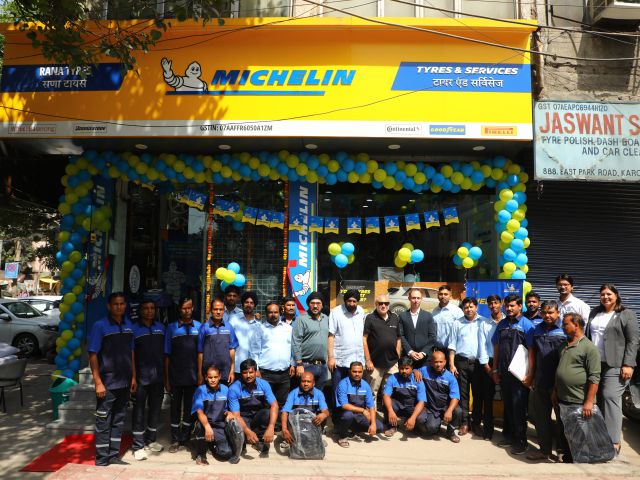 Michelin India expands its Delhi retail network with two new Michelin Tyres & Services stores
 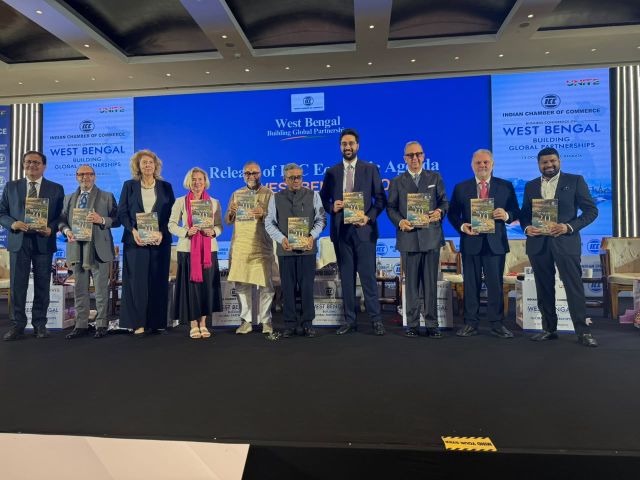 From Durga Puja to Global Partnerships: ICC Brings Diplomats from 12 Countries to Kolkata
 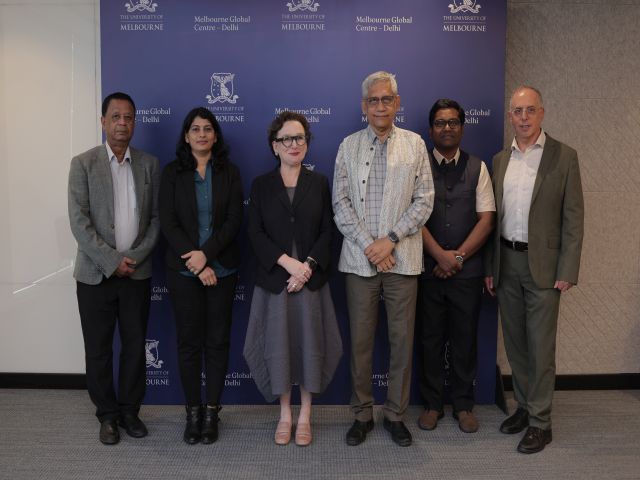 University of Melbourne and IISER Tirupati expand partnership to deliver world-class research education
  Vietjet launches flights to Kazakhstan and Czech Republic, strengthening Asia–Europe connectivity
 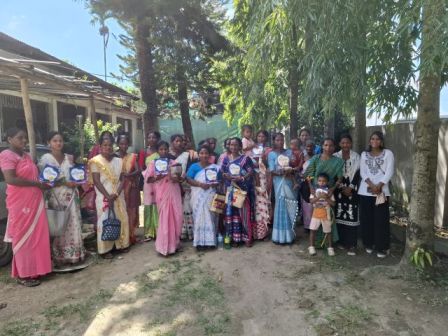 VFS Global partners with Donatekart Foundation to support2,230 flood-affected individuals in Sivasagar, Assam
 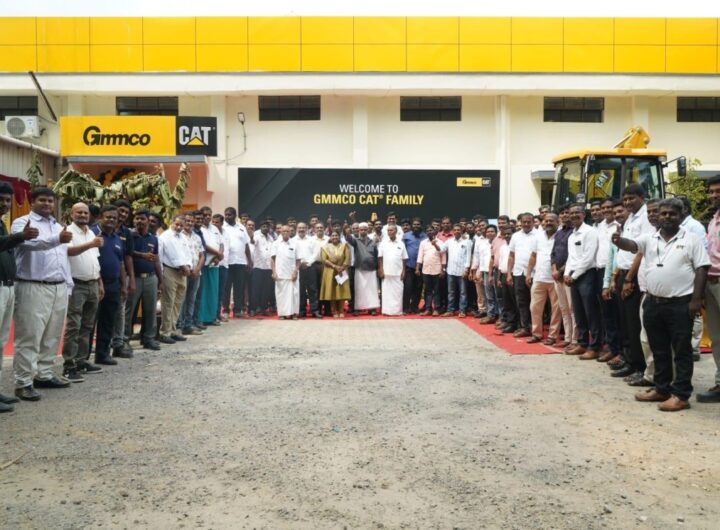 GMMCO Strengthens Regional Presence in Tamil Nadu’s Salem with New Customer-Focused Office Facility